Story3:「おみせやさんごっこ」から広がる未来へ
- ニュース
- 保育事業


前回は、檸檬会が大切にしている「つながる保育®」のアプローチをもとに、子ども自らが感じ、考え、試してみる、そんな幼児期ならではの金融教育プログラム設計やガイドラインについてご紹介しました。
▼第2回目の記事はこちら
https://global.lemonkai.or.jp/news/news-395/
第3回目は、保育現場に金融教育プログラムを初めて導入した実践ストーリー、「はじまりのリアル」をお伝えします。
いよいよ今回は、完成したガイドラインを手に、実際に保育現場でプログラムを導入した初期の実践についてお話しします。そこに嬉しい発見もあれば、戸惑いながら進んだ瞬間もありました。けれど、だからこそ伝えたい“はじまりのリアル”があります。
この記事を書いた人

社会福祉法人檸檬会 副理事長:青木 一永
国家公務員として勤務の後、檸檬会に入職し園長職を経て現職。副理事長として全国の施設運営や職員育成を行うほか、大学非常勤講師も務め、理論と実践の架け橋を目指している。博士(教育学)。
第3回:“お金博士”との始まりの一歩と、試行錯誤のリアルについて
保育者と“お金博士”、二人三脚で進むために
“はじまりのリアル”をお伝えするには、もう少しガイドライン作りの背景に遡らせてください。
このプログラムでは、保育者とFPパートナーに所属するファイナンシャルプランナー(以下、FP)の方々が協働します。
子どもにとっての“お金の探究”をより豊かなものにするために、FPの方々が「お金博士」として園に訪問し、子どもたちと対話を重ねていくのです。
保育者は毎日子どもと関わっているけれど、FPの方々はそうではありません。そこで私たちは、保育者向けとは別に、FPの方に向けたガイドラインを作成するとともに、研修会を設けることにしたのです。
そのガイドラインや研修では、
-
幼児期の発達段階の特徴
-
遊びの中で学ぶという意味
- 子どもの目線の高さに合わせて話すこと
-
一文を短く、ゆっくり話すこと
など、実践的な視点を盛り込みました。
この研修会には、たくさんのFPの方々にご参加いただきました。
そして驚くことに、FPパートナーさんは、各FPの皆さんが “お金博士”として活躍いただくにあたり、この研修の受講を必須条件とする方針も打ち出してくださいました。幼児期の学びを本当に大切に考えてくださっていることが伝わり、私たちとしても心強い限りでした。
はじまりのリアル 〜ようやく迎えた初日―「お金博士」との出会い〜
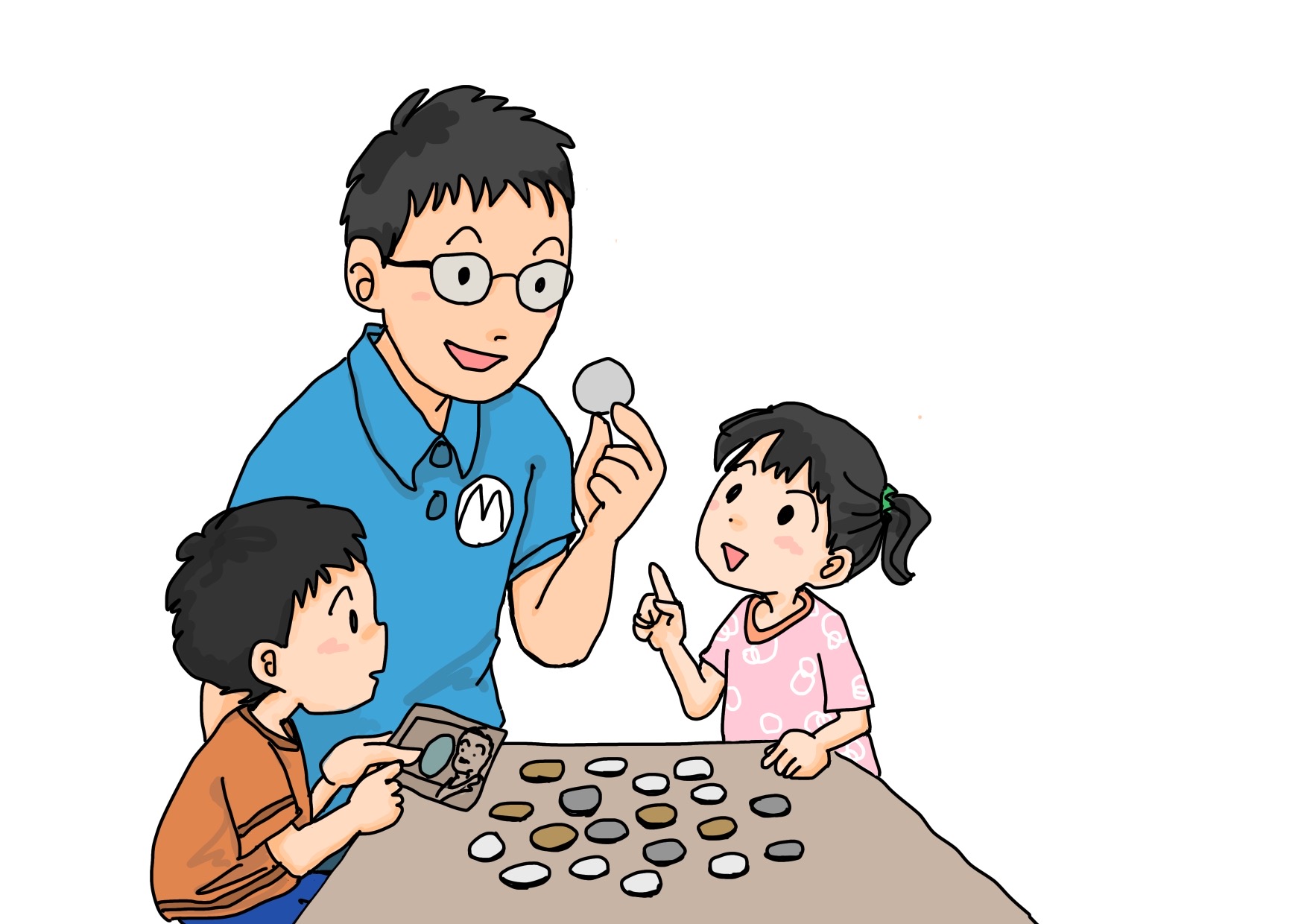
初めての実施日。
この日“お金博士”として来園してくださったのは、プログラム開発にも関わってくださった、3人の子育て経験を持つ女性FPさんと、やさしさ溢れる若手の男性FPさんでした。
おふたりとも、事前研修をふまえ、子どもの目線に合わせてゆっくり、丁寧に語りかけてくださり、その姿に私たちは何より感動しました。
その中で特に印象的だったのが、子どもたちのまなざしです。
1円玉1,000枚をじっくり見つめる子、外国の通貨を手に「これ、なに?」と次々に尋ねる子。
“お金博士”の投げかけに、子どもたちがどんどん思いを返し、やりとりが弾んでいきました。オープンクエスチョン(※)が、子どもたちの思考をひらいていく様子が、目の前で展開されていったのです。
※オープンクエスチョン:質問に対する答えが「はい」や「いいえ」で終わらず、自由に回答できる質問のこと。
プロ同士の連携の力強さ
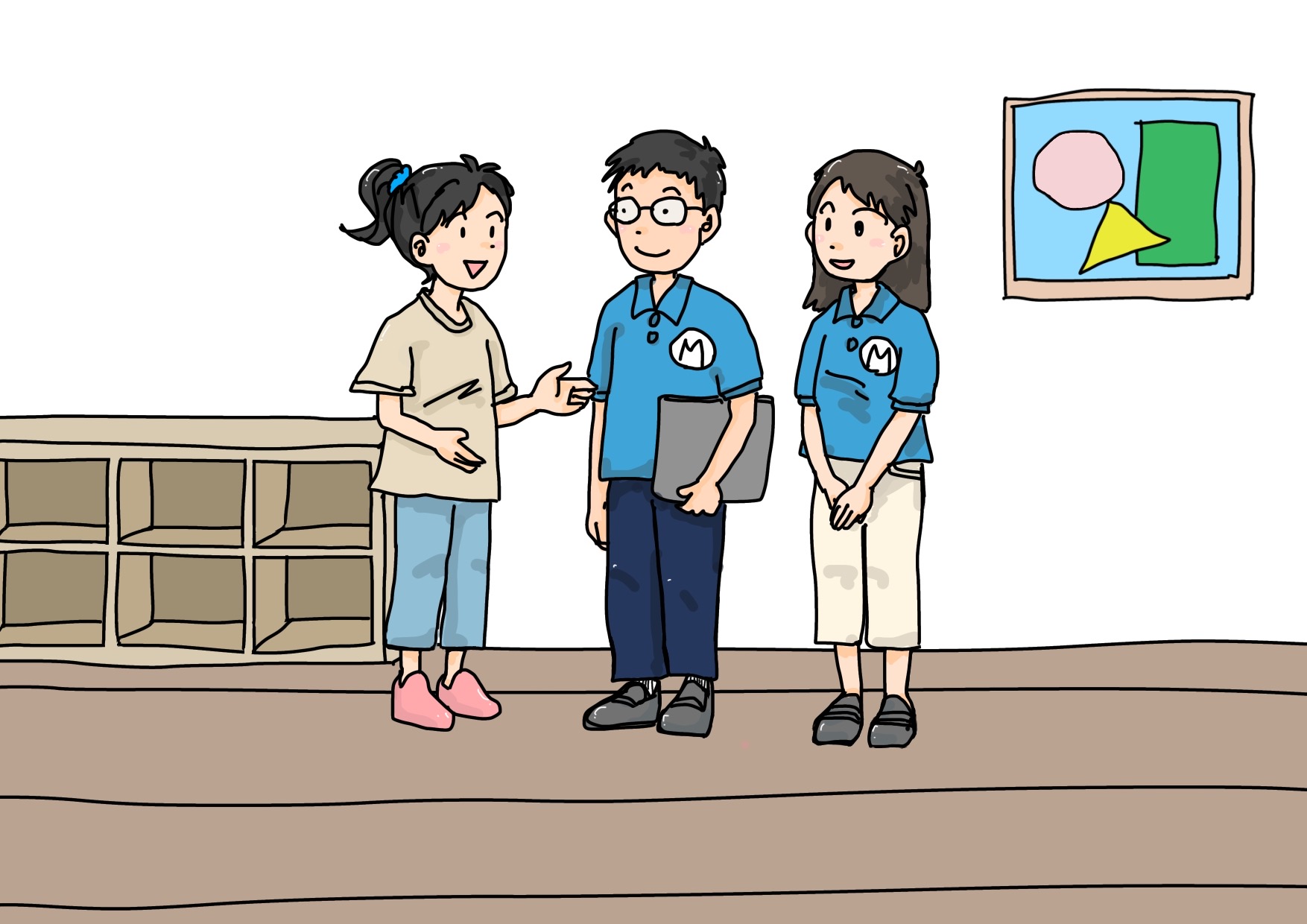
“お金博士”が対話をリードしている間、それを支える保育者の存在も見逃せません。
-
話についていけなさそうな子に、そっと寄り添う。
- 子どもの集中が切れかけたときに、静かに場を整える。
-
子どもの言葉をさりげなく”お金博士”へつなぐ。
こういった姿が随所に見られ、「まさにプロ同士の連携だ」と感じました。
実は、このプログラムを全国の保育施設で導入いただく上で、もう一つの懸念もあったんです。
それは、保育という現場に「他」の大人が入ることが敬遠されないだろうか、ということです。
子どもたちと担任である保育者の信頼関係は強く、安定しています。そこに「他者」が加わることで、子どもたちの興味が散漫になることを避けたいと思う保育者も少なくないように感じています。
だからこそ、「お金博士」 の訪問が子どもたちにとってトキメクものになり、「お金博士」がもたらすテーマに子どもたちがワクワクし、保育者自身も保育が楽しくなる、そんなものにしたいと考えました。
そうしたことにも配慮してつくった甲斐もあってか、“お金博士”が帰った後も、保育者が ”お金博士” との活動を日常の活動ともつなぎ合わせることで、子どもたちの探究はどんどんと続いていったのです。
閉じるのではなく、開いていく保育へ
やはり保育は、閉じるものではなく、開くことでより面白くなると改めて感じました。
そして、この金融教育プログラムは、子どもの学びだけでなく、保育者自身の学び、保育現場の可能性、さらには地域や社会とのつながりも広げていく力を秘めていると実感できました。
私たちは実践の中で得た気づきを共有し、ガイドラインのブラッシュアップを重ね、「よし、これを全国に展開していこう!」と大きな一歩を踏み出したのです。
次回は、こうした実践が全国の園に広がる中で見えてきた、子どもたちの変化や保育者の声を中心にご紹介していきます。
金融教育を通して、子どもと大人がともに育つ風景を、どうぞお楽しみに。
▶︎Story4:「おみせやさんごっこ」から広がる未来へ 〜広がる “お金の探究” − 現場で生まれた物語と、世界へのまなざし〜
In English
Toward the Future, Starting from a Little Shop
In the last installment, we introduced the design and guidelines for Lemonkai’s early childhood financial education program, built on our cherished “つながる保育®” * (Connected Childcare) approach.
This philosophy encourages children to feel, think, and take action for themselves through dialogue and shared inquiry with adults.
* “つながる保育®” is a collaborative method that nurtures both cognitive and non-cognitive skills by drawing out children’s interests and curiosity, engaging them in active, inquiry-based learning.
▼Click here for the second article
https://global.lemonkai.or.jp/news/news-395
In this third chapter, titled “The Real Beginning,”
I’ll share what it was like to put those guidelines into practice in a real childcare setting for the very first time. There were delightful surprises—and a few moments of uncertainty. That’s exactly why I want to talk about the reality of a first step.
=======================
Author of this article
Vice Chairperson of the Social Welfare Corporation, Lemonkai : Aoki Kazunaga.
After working as a national civil servant, he joined the Lemonkai and later became the director of a nursery school. He currently serves as the vice president, where he is responsible for facility management and staff training across the country. In addition to his administrative role, he is also a part-time lecturer at a university, working to bridge the gap between theory and practice. He holds a Ph.D in education.
=====================
Story3:From Guidelines to Reality
Working Side-by-Side with the “Money Doctor”
To understand our first day in action, it helps to revisit the preparation process.
In this program, childcare workers partner with financial planners (FPs) from FP Partners, who visit nurseries as “Money Doctors” to talk with children about money. While childcare workers interact with children daily, FPs do not—so we created separate guidelines for them and organized dedicated training.
These sessions covered practical topics such as:
- Understanding developmental stages in early childhood
- The value of learning through play
- Communicating at a child’s eye level
- Speaking in short, slow sentences
Many FPs attended the training, and to our surprise, FP Partners Co., Ltd. decided to make it mandatory for any FP who wanted to work as a “Money Doctor.” Their commitment to early childhood education was clear, and it gave us great confidence.
The First Day — Meeting the “Money Doctor”
On our very first day, three female FPs—all mothers and involved in developing the program—arrived along with a kind young male FP. Thanks to their training, the female FPs spoke slowly, clearly, and from the children’s perspective. We were moved by the way they engaged the children.
The children’s faces told the story—rapt attention as one child stared at 1,000 one-yen coins, curiosity sparking as another held foreign currency and asked, “What is this?” They eagerly answered the Money Doctor’s open-ended questions*, which invited them to think deeply.
*Open-ended questions are those that go beyond simple “yes” or “no” answers, allowing for free and creative responses.
The Power of Professional Collaboration
While the Money Doctor led the conversation, the support from childcare workers was essential:
- Quietly staying near children who struggled to follow along
- Gently restoring order when attention drifted
- Casually linking children’s comments back to the Money Doctor
These moments showed true collaboration between professionals, each playing their role to create a rich learning environment.
Addressing Concerns and Building Trust
One concern we had was whether having “outsiders” enter a nursery might be unwelcome. The bond between children and their caregivers is strong, and some feared a new adult might disrupt that trust.
That’s why we aimed for the Money Doctor’s visit to feel like an exciting event—something that would spark curiosity for the children and bring joy to the caregivers themselves. This worked: even after the Money Doctor left, staff wove the day’s activities into daily routines, and the children’s exploration continued to grow.
Opening Childcare to the World
This experience reminded me that childcare should not be closed off. It becomes richer and more engaging when we open it to new experiences. This program has the power not only to expand children’s learning, but also to inspire childcare workers, broaden the possibilities of the nursery setting, and build stronger connections with the community and society.
With these insights, we refined our guidelines and took a major step toward expanding the program nationwide.
In the next installment, we’ll share the changes we’ve seen in children—and the voices of childcare workers—since introducing the program across the country. I hope you’ll look forward to seeing how financial education can help children and adults grow together.