Story7(最終回):「おみせやさんごっこ」から広がる未来へ
- ニュース
- 保育事業


第6回目では、ついにOMEP(世界幼児教育・保育機構)ボローニャ大会の開催地であるイタリアに到着し、発表前から発表後までの様子をお伝えしました。現地のリアルな写真とともに、イタリアの空気を感じながらぜひご覧ください!
▼第6回目はこちら
https://global.lemonkai.or.jp/news/news-760/
第7回目は、「これまでの振り返りとこれから」をテーマにお伝えします。
この連載では、幼児期の金融教育プログラムが、どのような思いから生まれ、現場で実践され、そして世界へと届けられていったのかをお伝えしてきました。
最終回となる今回は、その歩みを振り返りながら、この取り組みがもつ意味と、これからの展望についてまとめたいと思います。
この記事を書いた人
社会福祉法人檸檬会 副理事長:青木 一永
国家公務員として勤務の後、檸檬会に入職し園長職を経て現職。副理事長として全国の施設運営や職員育成を行うほか、大学非常勤講師も務め、理論と実践の架け橋を目指している。博士(教育学)。
第7回: 幼児期の金融教育がひらく未来──振り返りと、これから
違和感から始まった問い
このプロジェクトの出発点は、「幼児期の金融教育ってどういうことだろう?」という問いでした。
金融教育は、小学校以降、あるいは大人になってから行うもの、というイメージが強いかもしれません。しかし子どもたちは、日常の中ですでに買い物や身の周りにある仕事、ごっこ遊びを通して、お金に関わる社会に触れています。 だからこそ私たちは、幼児期の発達特性を大切にした金融教育をつくりたいと考えました。
大切にしてきたのは「教える教育にしない」こと
このプログラム開発および実践で大切にしてきたのは、知識を教え込むことではありません。
問いを投げかけ、対話し、学びが立ち上がること。
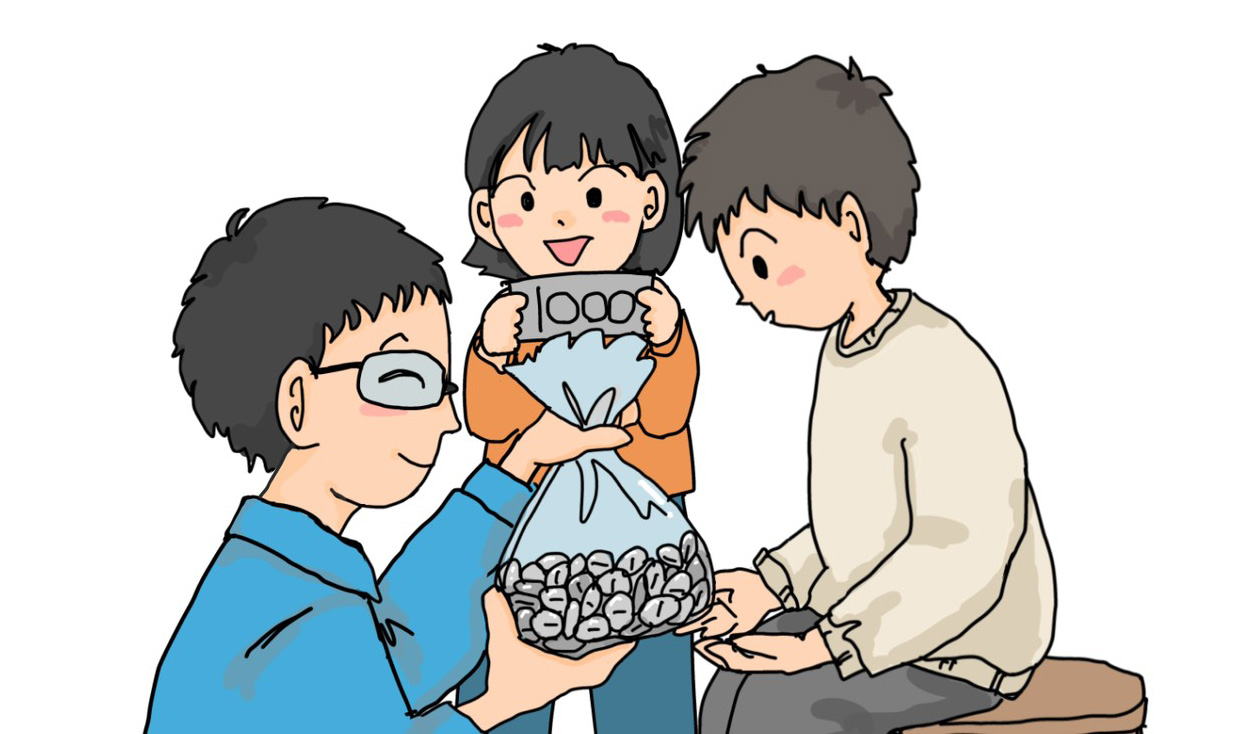
1円玉1000枚と千円札を前に悩む姿。
「お金がなくなったらどうなる?」と真剣に考える表情。
おみせやさんごっこを通して社会の仕組みに触れる姿。
こうした姿は、子どもの内側から「やりたい!」「何だろう?」が湧き出てくる内発的動機づけを大切にしたデザインの結果として、生まれてきたように思います。
広がっていく学び
この取り組みは、子どもたちだけでなく、保育者、そして家庭へと広がっていきました。
子どもとお金について考えることを通して、保育者自身もお金について考える姿がありました。 保護者の方からも、「仕事について話すきっかけになった」「子どもがお金の話をするようになった」といった声も聞かれました。
学びが子どもだけではなく、さまざまな方面に広がっていく様子を通して、私たちはこの実践が、個別のプログラムにとどまらない価値をもっていると感じています。
SDGs・ESDの視点から見えてきた意味
SDGsの実現につながる教育は、ESD(持続可能な開発のための教育)と呼ばれています。
ESDやSDGsというと、環境保全の活動を思い浮かべがちですが、そこには社会・文化、そして経済の視点も含まれています。
まさに幼児期の金融教育は、経済の視点によるSDGsやESDへとつながる実践です。
子どもたちは、このおみせやさんごっこの中で、循環性や有限性、交換、感謝、そして「誰かの役に立つ」ことに触れ、持続可能な社会の創り手として育っていくと、私たちは信じています。
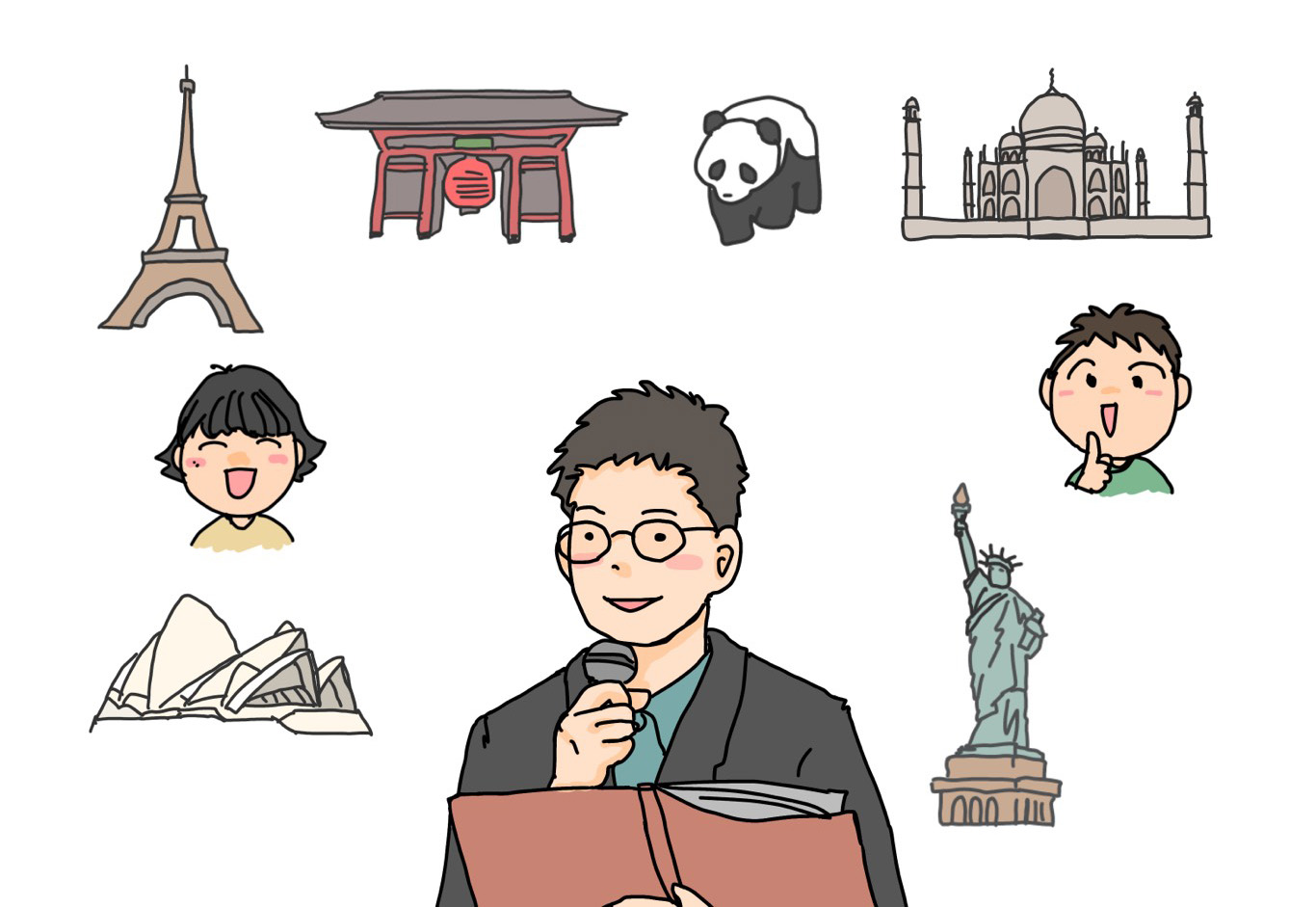
今回、世界各国から乳幼児教育の研究者が集まるOMEPボローニャ大会(イタリア)で発表できたことに加えて、大阪・関西万博においても、この「おみせやさんごっこ」の発表機会をいただきました。
こうした発表や交流を通して、国や文化が異なっても、「子どもをまんなかに置く」という姿勢の大切さを強く実感しました。
また、幼児期の「金融教育」というテーマが、国際的にも十分に語る価値のある実践であることを、あらためて確信しました。
ただ、このプログラムは、これで完成したわけではありません。
保育実践を重ねる中での工夫やそこで見えてくる子どもたちの姿とともに、これからも育っていくものだと思っています。
幼児期の金融教育が、特別な取り組みではなく、保育の中に自然に息づくものになること。
そして子どもたちが、「考えることは楽しい」「社会っておもしろい」と感じながら育っていってほしいと、心から願っています。
ここまで連載をお読みいただき、本当にありがとうございました。
In English
Story 7 (Final Installment): Toward the Future, Starting from a Little Shop
In our sixth installment, we shared our experience in Italy, the host country of the OMEP (World Organization for Early Childhood Education) World Assembly in Bologna—from the days leading up to the presentation to the moment it concluded. Please enjoy the article alongside authentic photos that capture the atmosphere of Italy!
▼Click here for the sixth article
https://global.lemonkai.or.jp/news/news-760/
The theme of this seventh and final installment is “Reflections and the Future.”
Throughout this series, we have shared the journey of how our early childhood financial education program was born, practiced in the field, and delivered to the world.
In this final chapter, we look back on this journey and summarize the significance of this initiative and our vision for the future.
ーーーーーーーーーーーーーーーーーーーーーーーーーーーーーーーーーーーーーーー
Author of this article
Vice Chairperson of the Social Welfare Corporation, Lemonkai : Aoki Kazunaga.
After working as a national civil servant, he joined the Lemonkai and later became the director of a nursery school. He currently serves as the vice president, where he is responsible for facility management and staff training across the country. In addition to his administrative role, he is also a part-time lecturer at a university, working to bridge the gap between theory and practice. He holds a Ph.D in education.
ーーーーーーーーーーーーーーーーーーーーーーーーーーーーーーーーーーーーーーー
Part 7: The Future Opened by Early Childhood Financial Education — Reflections and the Road Ahead
A Question Born from Hesitation
The starting point of this project was the question: “What does financial education in early childhood really mean?”
There is a strong image that financial education is something to be done from elementary school onwards or as an adult. However, children are already encountering the social aspects of money through daily shopping, seeing the work being done around them, and through roleplay. This is exactly why we wanted to create a financial education program that values the developmental characteristics of early childhood.
What We Valued: “Not Making it About ‘Teaching'”
What we have prioritized in the development and practice of this program is not about cramming knowledge into children. Instead, it is about asking questions, engaging in dialogue, and allowing learning to emerge.
The sight of children pondering in front of 1,000 one-yen coins and a 1,000-yen bill.
Their serious facial expressions when thinking, “What happens if money disappears?”
How they encounter the mechanisms of society through “Let’s Run a Shop.”
I believe these moments are the result of a design that prioritizes intrinsic motivation—the feelings of “I want to do it!” and “What is this?” that well up from within the child.
Expanding Learning
This initiative has expanded beyond the children to include childcare providers and families. As they thought about money with the children, we saw childcare providers reflecting on money themselves. We also heard from parents that it gave them a chance to talk about their work, and that their children began talking about money at home. Seeing learning spread in so many directions makes us feel that this practice has a value that goes far beyond just a single program.
Significance Seen from the Perspective of SDGs and ESD
Sustainable Development).
When we hear “ESD” or “SDGs,” we tend to think of environmental conservation activities, but these concepts also include social, cultural, and economic perspectives.
Early childhood financial education is a practice that directly connects to the economic pillar of the SDGs and ESD.
We believe that through this shop roleplay, children encounter concepts like circulation, finitude, exchange, gratitude, and “being helpful to someone.” Through this, they grow as creators of a sustainable society.
Toward the Future
In addition to presenting at the OMEP World Assembly in Bologna (Italy), where early childhood education researchers from all over the world gathered, we were also given the opportunity to present this “Let’s Run a Shop” project at the Expo 2025 Osaka, Kansai, Japan.
Through these presentations and interactions, I realized once again that no matter how different countries and cultures may be, the importance of “putting the child at the center” remains universal. I am also more convinced than ever that “financial education” in early childhood is a practice worth discussing on an international stage.
However, this program is not “complete” yet. I believe it is something that will continue to grow along with the creative ideas that emerge from daily childcare practice and the growth we see in the children.
My sincere hope is that early childhood financial education will not be seen as a “special initiative,” but will become something that breathes naturally within daily childcare—and that children will grow up feeling that “thinking is fun” and “society is interesting.”
Thank you very much for following this series until the end.