Story5:「おみせやさんごっこ」から広がる未来へ
- ニュース
- 保育事業


第4回では、プログラムを通して「お金」について学んだ子どもたち。園での取り組みは家庭にまで広がった様子をお伝えしました。
▼第4回目の記事はこちら
https://global.lemonkai.or.jp/news/news-697/
第5回目は、いよいよOMEP(世界幼児教育・保育機構)ボローニャ大会に向けた決意と準備の様子についてお届けします。
私たちは幼児期の金融教育プログラムの価値を世界へ届けたい―そんな思いから、OMEPボローニャ大会の発表に挑戦することを決めました。
けれど、そこに至るまでにはいくつものハードルがありました。なにしろ発表はすべて英語!
英語での発表は初めてだったので、「やってみたい」という気持ちと「本当にできるのか?」という不安の間で、何度も心が行ったり来たり…
それでも、「日本発の “幼児期の金融教育” を伝えたい」という気持ちが背中を押してくれました。ここからは、そんな準備の日々を少しだけ綴っています。ぜひ覗いてみてください。
この記事を書いた人
国家公務員として勤務の後、檸檬会に入職し園長職を経て現職。副理事長として全国の施設運営や職員育成を行うほか、大学非常勤講師も務め、理論と実践の架け橋を目指している。博士(教育学)。
第5回:『 伝えたい、その想いを英語で──OMEP発表への挑戦記 』
英語への苦手意識と、もう一歩の勇気
先述のとおり、私はこれまで英語で発表をしたことがありませんでした。
昨年度、初めてOMEPバンコク大会に参加したときも、「自分も発表したいな」という思いはあったものの、勇気が出ずに見送ったのです。
しかし、幼児期の金融教育プログラムに手応えを感じていたので、
「この実践を自ら伝えたい」
「OMEP世界大会での発表が、プログラムを普及する後押しになるのではないか」
ーーそう考え、挑戦を決意しました。
英語での資料づくりと英語レッスン
発表するには、まず英語で “ 概要(アブストラクト) ” を書き、大会事務局に提出しなければなりません。何度も書き直し、ようやく形になった原稿を、檸檬会の英語教育部門の同僚にチェックしてもらいました。文法だけでなく、言葉のトーンやニュアンスも丁寧にアドバイスをもらい、「エイやっ!」と提出するに至りました。
それと並行して、オンライン英会話レッスンも始めました。早朝や就寝前にレッスンを重ねていったのですが、やはり甘くはありません。すぐに上達するものでもなく、不安はなかなか解消していきませんでした。
そんな風に過ごす中、ついに届いた一通のメール。
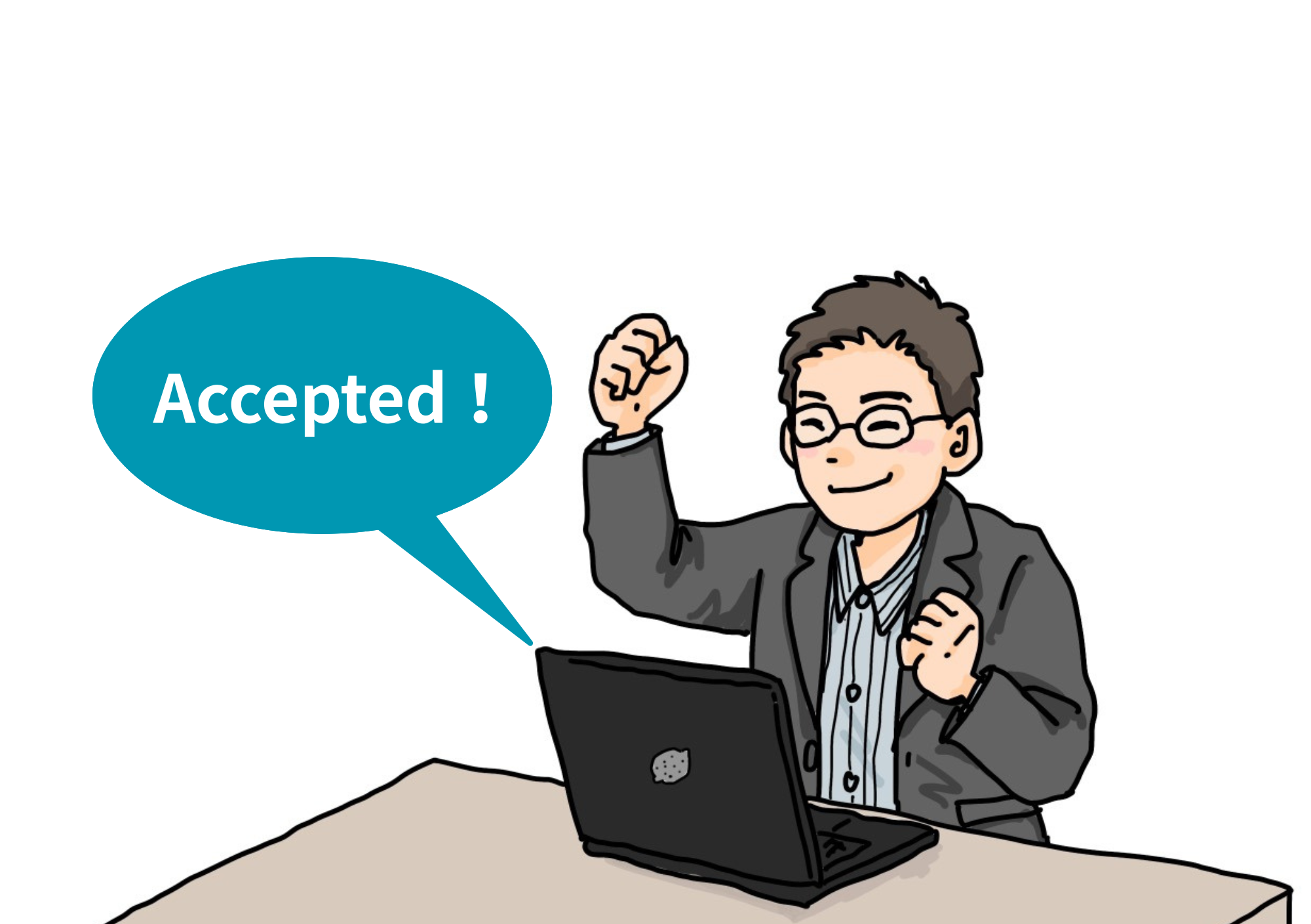
そこには “Accepted ” の文字がありました。つまり、発表が受理されたという知らせだったのです!
喜びと不安、その両方を抱えて
思わず「よし!」と声が出ましたが、次の瞬間、「本当に英語で発表することになってしまった」という現実が押し寄せてきました。
しかし、やるしかありません。そこからは英会話レッスンにもいっそう熱が入り、英語での発表内容づくりにも本格的に取り組み始めました。先に提出したのはあくまでも概要だったので、内容の詳細を詰めていく必要がありました。
「金融教育」というと、小学校以降で学ぶ印象を持たれがちですが、私たちが大切にしていたのは、幼児期だからこその “遊びを中心とした学び” と “子どもの主体性” です。
そのため、子どもたちの探究の姿を写真で紹介しながら、笑顔や問いの瞬間をできるだけリアルに伝えられるよう構成しました。
また、英語での質疑応答にも備え、想定される質問をいくつも書き出し、一つひとつ英語で答えられるよう準備を進めていきました。ちなみに、つくった想定問答はなんと50個あまり!
さて、それは実際に役立ったのか…!? その結果は、次回のお楽しみに。
こうして迎えた、OMEPボローニャ大会。
果たして、英語での初めての国際発表はどうなったのか?
緊張のなかで見えた世界の風景、そして海外の研究者・実践者との出会い。
第6回目では、その現場の様子をお伝えします。
In English
Toward the Future, Starting from a Little Shop
n our fourth installment, we saw how children learned about “money” through the program and how these initiatives at the nurseries reached their homes.
▼Click here for the fourth article
https://global.lemonkai.or.jp/news/news-697/
In this fifth chapter, we will finally share our determination and preparations for the OMEP (World Organization for Early Childhood Education) World Assembly in Bologna.
Driven by the desire to deliver the value of early childhood financial education to the world, we decided to take on the challenge of presenting at OMEP Bologna. However, there were many hurdles along the way—starting with the fact that the entire presentation had to be in English!
As it was my first time presenting in English, my heart wavered many times between the excitement of “I want to try” and the anxiety of “Can I really do this?”
Still, the feeling of “I want to share this Japanese-born financial education for early childhood” pushed me forward. Here is a look into those days of preparation.
ーーーーーーーーーーーーーーーーーーーーーーーーーーーーーーーーーーーーーーーーー
Author of this article
Vice Chairperson of the Social Welfare Corporation, Lemonkai : Aoki Kazunaga.
After working as a national civil servant, he joined the Lemonkai and later became the director of a nursery school. He currently serves as the vice president, where he is responsible for facility management and staff training across the country. In addition to his administrative role, he is also a part-time lecturer at a university, working to bridge the gap between theory and practice. He holds a Ph.D in education.
ーーーーーーーーーーーーーーーーーーーーーーーーーーーーーーーーーーーーーーーーー
Part 5: Expressing the Vision in English — A Record of Our Challenge at the OMEP Presentation
Hesitation with English and a Leap of Faith
As mentioned earlier, I had never given a presentation in English before.
When I attended the OMEP World Assembly in Bangkok last year, I had the thought, “I want to present too,” but I lacked the courage and decided to pass.
However, feeling the positive impact of our financial education program,
I thought: “I want to personally share this practice.”
“Presenting at the OMEP World Assembly could help promote the spread of this program.” ーーWith these thoughts in mind, I decided to take on the challenge.
Creating Materials and Taking English Lessons
To present, I first had to write an “abstract” in English and submit it to the conference office. After many rewrites, I finally completed a draft and had it checked by a colleague in Lemonkai’s English education department. I received careful advice not only on grammar but also on the tone and nuance of the words before finally taking the plunge and submitting it.
At the same time, I started online English conversation lessons. I practiced early in the morning and before bed, but it wasn’t easy. Improvement didn’t happen overnight, and my anxiety didn’t easily fade away.
Amidst those days, an email finally arrived. There, I saw the word: “Accepted.” It was the notice that our presentation had been approved!
Holding Both Joy and Anxiety
I instinctively shouted, “Yes!” but the next moment, the reality that “I actually have to present in English” came rushing in.
However, there was no turning back. From that point, I put even more effort into my English lessons and began working in earnest on the content of the presentation. Since what I had submitted was only an abstract, I needed to flesh out the details.
While “financial education” is often associated with learning in elementary school and beyond, what we value most is “play-based learning” and “child autonomy” unique to early childhood. Therefore, I structured the presentation to use photos of the children’s inquiry, aiming to convey their smiles and moments of questioning as realistically as possible.
I also prepared for the Q&A session in English by listing many potential questions and practicing answering each one. In fact, I prepared more than 50 expected questions and answers!
Did they actually come in handy…!? You will find out the results in the next installment.
Finally, the OMEP World Assembly in Bologna arrived. How did my first international presentation in English go? The global landscape I saw amidst the nerves, and the encounters with researchers and practitioners from overseas. In the sixth installment, I will share the scene from the conference.
▶︎Story 6: Toward the Future, Starting from a Little Shop