Story4:「おみせやさんごっこ」から広がる未来へ
- ニュース
- 保育事業


第3回まででご紹介してきたように、私たちは幼児期ならではの金融教育プログラムを、全国で実践できるよう丁寧に設計してきました。
▼第3回目の記事はこちら
https://global.lemonkai.or.jp/news/news-456/
第4回目は、この金融プログラムを実践する中で、どんな探究や反応があったのかをご紹介します。
現在この取り組みは、檸檬会内外あわせて65を超える施設で行われ、これまでに延べ90回以上実践されています。また、リピート実施を希望する園も数多く、着実に広がりを見せています。今回は、そこから生まれた子どもたちや保育者の発見・気づき、そして次のステップであるOMEP(世界幼児教育・保育機構)世界大会へ申込むまでに至った経緯とその思いについてお伝えします。
この記事を書いた人
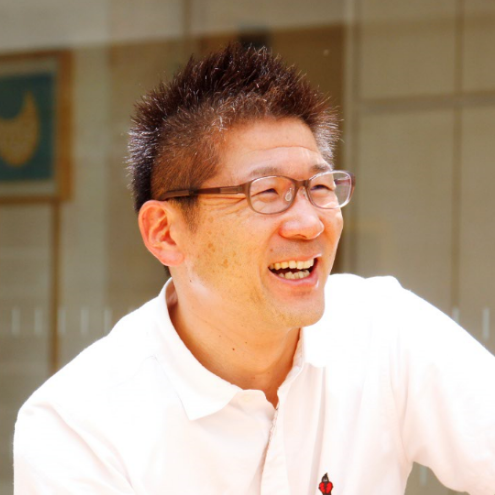
国家公務員として勤務の後、檸檬会に入職し園長職を経て現職。副理事長として全国の施設運営や職員育成を行うほか、大学非常勤講師も務め、理論と実践の架け橋を目指している。博士(教育学)。
第4回:広がる“お金の探究” ―現場で生まれた物語と、世界へのまなざし
お金のことを話題にし始めた子どもたち
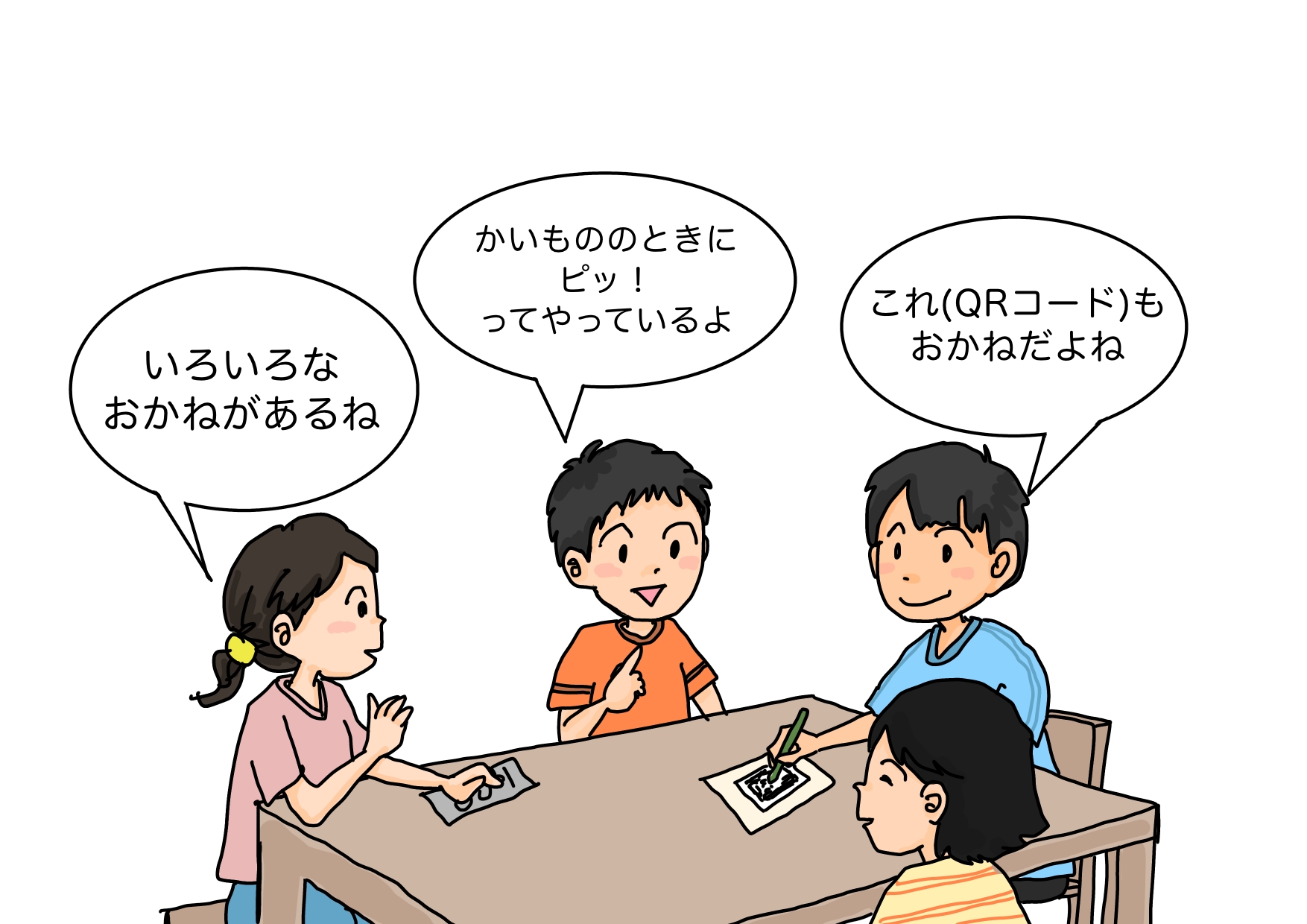
このプログラムを実施した園からは、うれしい声が届くようになりました。
ある園では、それまで「お金」の話をしたことがなかった子どもたちが、日常的にお金を話題にしたり、「おみせやさんごっこ」でお金のやりとりを楽しむようになりました。さらに、決済用QRコードを真似して描く姿も見られたり、外貨に触れた体験をきっかけに海外に関心を持つ子どももいるそうです。
その一方で、買い物時に電子マネーで支払う家庭が増えているためか、現金に馴染みのない子どもも増えていると保育者自身が気づくことにもつながりました。
「お金」という言葉や話題に、どこか「はしたない」といった感覚を抱く人もいるかもしれません。
しかし、子どもたちはまだお金に偏見を持っていません。
私たちはいつの間にか ”お金” をタブー視してしまい、家庭や教育の場で「お金」の話を避けてしまうことで、金融教育の普及を妨げてしまっているように思います。
だからこそ、この時期に生活に根ざした形でお金に触れることの大切さを感じています。
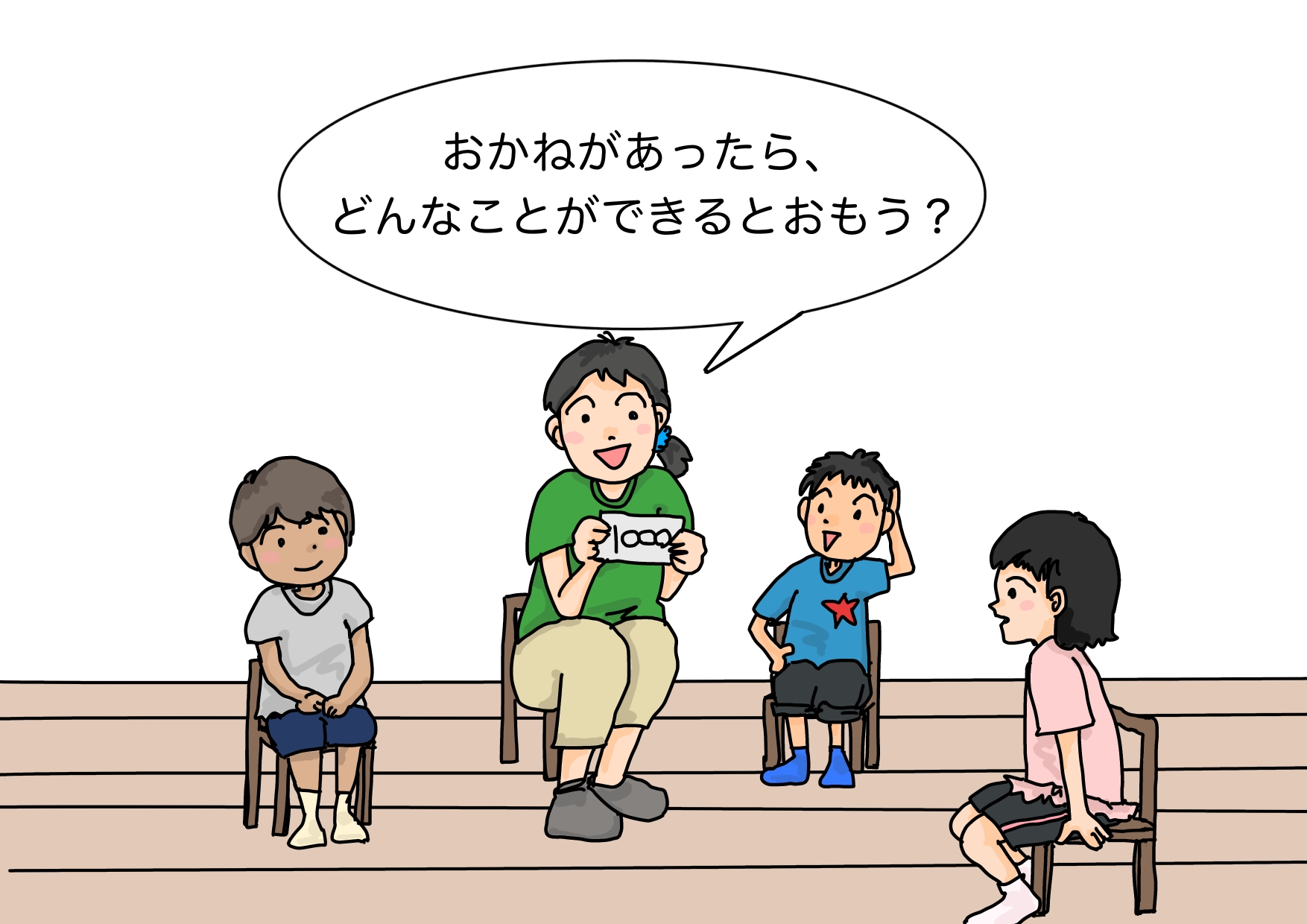
このプログラムの特徴は、オープンクエスチョンを通じて子どもの興味を深めるデザインです。
「お金があったらどんなことができると思う?」
「お金がなくなったらどうなると思う?」
「お金を手に入れるにはどうしたらいいのかな?」
こうしたやり取りから、子どもたちの思考と経験が広がっていきます。
そして、その問いを投げかける保育者自身もまた、新しい発見を重ねています。
「子どもってこんなに知っているんだ」
「一つの問いでこんなにも会話が広がるとは」
「気づけば私も探究を楽しんでいた」
そんな声が現場の保育者から届くたび、思い描いていた「子どもと保育者がともにつくりあげる保育」の姿が形になっていくのを感じます。
家庭にも届いた波
園での取り組みは、家庭にも波及しました。
「子どもとお金の話をするきっかけになった」
「親の仕事に興味を持つようになった」
「子どもから“お仕事してくれてありがとう”と言われて嬉しかった」
園での体験が家庭の会話を変え、親子の関係を温かくする―そんなエピソードは、この取り組みの可能性をさらに感じさせてくれます。
広がりを支える現場の力
当初は、プログラムとして形にすることで、子どもの興味・関心から離れた活動になるのではと心配していました。しかし実際には、「やってよかった」「面白かった」という声が相次ぎ、リピート実施する園も増えています。
それは、現場の保育者が臨機応変に子どもの反応を受け止め、活動を自分たちなりにアレンジしてくれているからこそ。
この広がりは、まさに保育者のプロフェッショナリズムと、「おかね博士」の献身に支えられています。
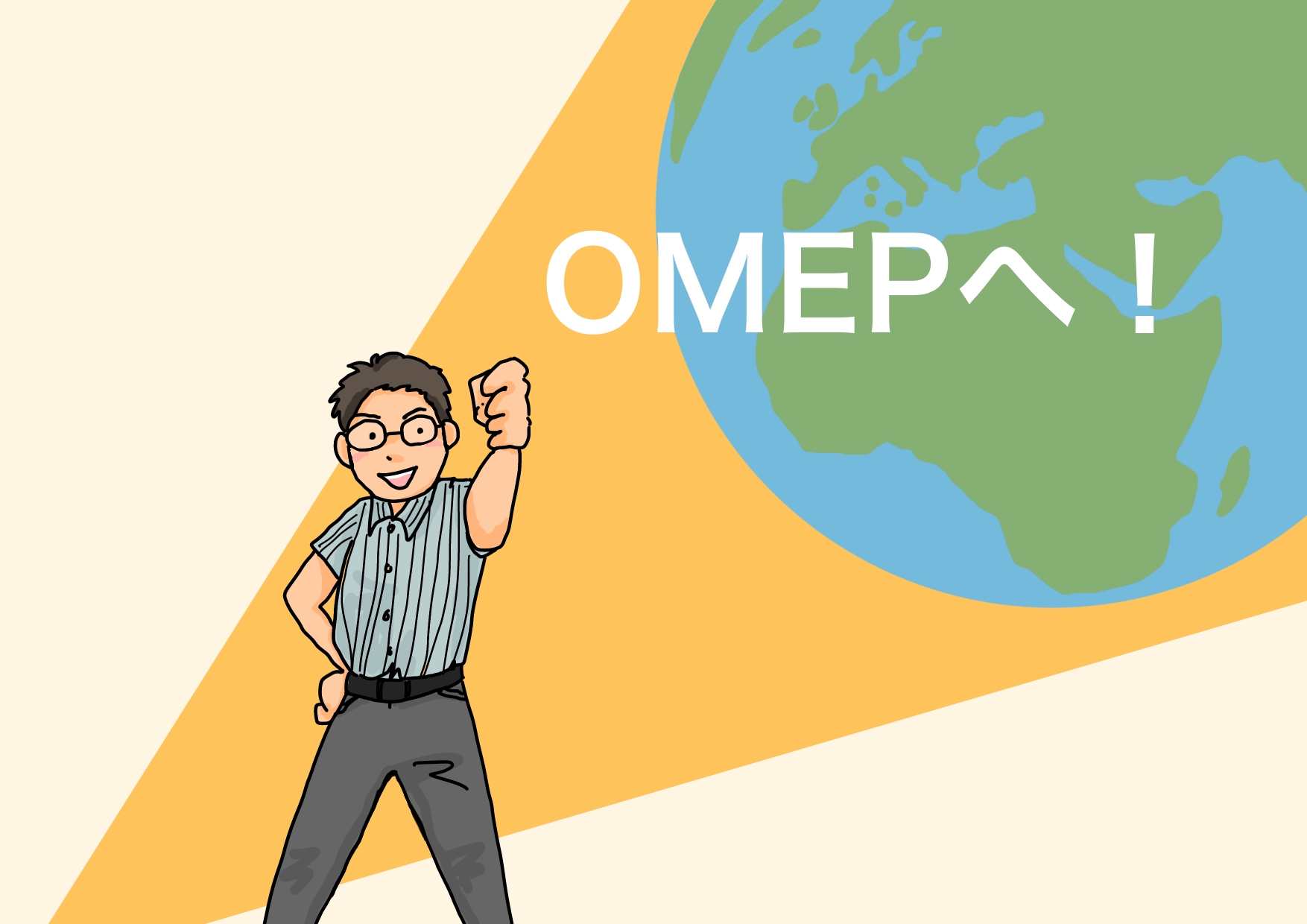
こうした変化や広がりを見て、私たちは「この価値を世界にも届けたい」と考えるようになりました。 そこで選んだのが、OMEP(世界幼児教育・保育機構)の世界大会です。
OMEPはユネスコと協働しながら、ESD(持続可能な開発のための教育)を推進する組織で、SDGsの環境、社会・文化、経済の三つの側面を大切にしています。
金融教育は経済面から持続可能な社会を支える一歩ですが、日本ではまだまだ普及していない実態があります。幼児期の金融教育においては、なおさらです。
だからこそ、この取り組みを国際的な場で共有し、幼児期の金融教育が広まる一助にしたい―そう願って、かなりドキドキしながらも発表を申し込むに至りました。
次回は、OMEPボローニャ大会に向けた準備や、国際発信に込めた想いをご紹介します。
▶︎Story5:「おみせやさんごっこ」から広がる未来へ 〜『伝えたい、その想いを英語で−–OMEP発表への挑戦記 』
In English
Toward the Future, Starting from a Little Shop
As introduced in the first three installments, we have carefully designed a financial education program specifically for early childhood, based on Lemonkai’s unique approach, and have begun implementing it nationwide.
▼Click here for the third article
https://global.lemonkai.or.jp/news/news-456/
In this fourth chapter, we will share the exploration and reactions that emerged during the practice of this program.
Currently, this initiative is being implemented in over 65 facilities, including those both inside and outside Lemonkai, with more than 90 sessions conducted to date.
Many schools have requested repeat sessions, and the program is steadily expanding. Today, we will talk about the discoveries made by children and childcare providers, and the story of how we decided to take the next step: applying to present at the OMEP (World Organization for Early Childhood Education) World Assembly.
ーーーーーーーーーーーーーーーーーーーーーーーーーーーーーーーーーーーーーーー
Author of this article
Vice Chairperson of the Social Welfare Corporation, Lemonkai : Aoki Kazunaga.
After working as a national civil servant, he joined the Lemonkai and later became the director of a nursery school. He currently serves as the vice president, where he is responsible for facility management and staff training across the country. In addition to his administrative role, he is also a part-time lecturer at a university, working to bridge the gap between theory and practice. He holds a Ph.D in education.
ーーーーーーーーーーーーーーーーーーーーーーーーーーーーーーーーーーーーーーー
Part 4: Expanding the “Inquiry into Money”
— Stories from the Field and a Global Perspective
Children Starting to Talk About Money
We have started receiving wonderful feedback from the schools implementing this program. In one nursery, children who had never talked about “money” before began making it a regular topic of conversation and enjoyed exchanging money during their “Let’s Run a Shop” play. Some children even started drawing their own QR codes for digital payments, while others developed an interest in foreign countries after touching international currencies.
At the same time, childcare providers noticed that an increasing number of children are unfamiliar with physical cash, likely because more families are using electronic money for shopping.
Some people may still feel that the word “money” or talking about it is somewhat “improper.”
However, children do not yet have such prejudices. I believe that by making money a taboo and avoiding the subject at home or in education, we have unintentionally hindered the spread of financial literacy. This is exactly why I feel it is so important for children to encounter money in a way that is rooted in their daily lives at this age.
(Deepening Interest Through Open-Ended Questions)
The core design of this program is to deepen children’s interest through open-ended questions*:
- What do you think you can do if you have money?”
- “What do you think would happen if money disappeared?”
- “How do you think we can get money?”
Through these exchanges, the children’s thinking and experiences continue to expand. The childcare providers who ask these questions are also making new discoveries:
“I was surprised by how much the children already know.”
“I didn’t realize a single question could spark such a wide conversation.”
“Before I knew it, I was enjoying the inquiry along with the children.”
Whenever I hear such voices from the field, I feel that our vision of “childcare co-created by children and providers” is truly taking shape.
*Open-ended questions are those that go beyond simple “yes” or “no” answers, allowing for free and creative responses.
The Ripple Effect Reaching Homes
The initiatives at the nurseries have also reached the children’s homes.
- “It gave me a chance to talk about money with my child.”
- “My child started showing interest in my job.”
- “I was so happy when my child said, ‘Thank you for working for us!'”
Hearing these episodes—where experiences at the nursery change conversations at home and warm the parent-child relationship—makes me feel even more strongly about the potential of this project.
The Power of the Field Supporting the Expansion
Initially, I worried that by formalizing the program, the activities might become detached from the children’s natural interests. However, in reality, we have received a continuous stream of positive feedback like “I’m glad we did it” and “It was interesting,” and the number of schools requesting repeat sessions is increasing.
This expansion is possible because our childcare providers flexibly accept the children’s reactions and arrange the activities in their own way. This growth is truly supported by the professionalism of our staff and the dedication of the “Money Doctors.”
Seeing these changes and the expansion of the program, we began to think, “We want to deliver this value to the world.” The platform we chose was the OMEP World Assembly.
OMEP is an organization that promotes ESD (Education for Sustainable Development) in collaboration with UNESCO, valuing the three pillars of the SDGs: environment, society/culture, and economy. While financial education is a step toward supporting a sustainable society from the economic side, it is still not widespread in Japan—especially in early childhood.
That is why we decided to apply for a presentation, despite our nerves, hoping that sharing this initiative on an international stage would help spread the importance of early childhood financial education.
In our next article, we will introduce our preparations for the OMEP World Assembly in Bologna and the thoughts we put into our international message. Stay tuned!